


Creative data resources help creators make smarter decisions about their content, audience, and revenue. From blogging analytics to freelance income tracking, course engagement metrics to digital product sales data — creative data resources give you the insights you need to grow your creative business. Here's how Craftdas brings all your creative data into one unified place.
Table of Contents
- Creative Data Resources — What Are They?
- Creative Data Resources — Why Creators Need Data
- Creative Data Resources — The Problem Creators Face
- Creative Data Resources — How Craftdas Solves This
- Creative Data Resources — Blogging Analytics
- Creative Data Resources — Revenue Analytics
- Creative Data Resources — Audience Analytics
- Creative Data Resources — Course Analytics
- Creative Data Resources — Freelance Analytics
- Creative Data Resources — Digital Product Analytics
- Creative Data Resources — Affiliate Analytics
- Creative Data Resources — Mentorship Analytics
- How to Use Data to Grow Your Creative Business
- Who Can Benefit from Creative Data Resources
- Creative Data Resources — Frequently Asked Questions
- Creative Data Resources — Final Verdict
Creative Data Resources — How Craftdas Helps Creators Build Smarter
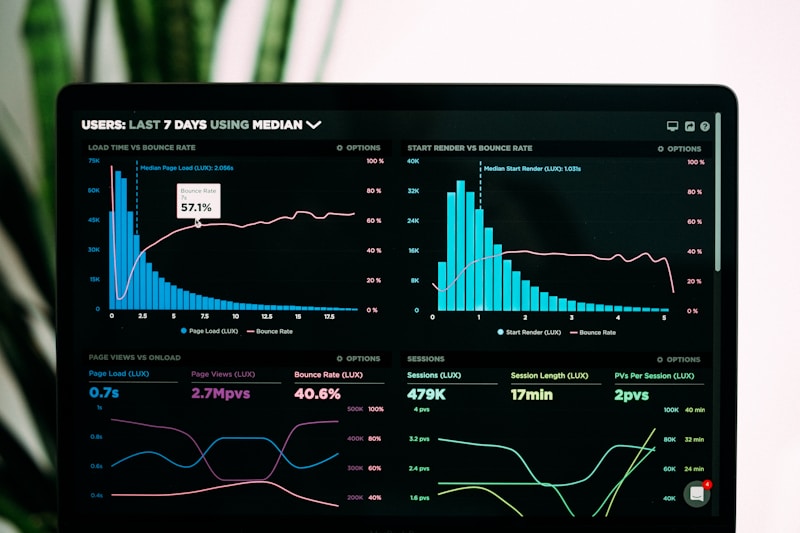
Data is the new currency. But for creators, data has always been fragmented. Scattered across platforms, buried in spreadsheets, hidden behind confusing dashboards. You know it's important. You just don't know what to do with it. That's where creative data resources come in.
Creative data resources are the tools, platforms, and systems that help creators collect, analyze, and act on data about their creative work. They show you what's working, what's not, and what to do next. Without them, you're guessing. With them, you're growing.
I learned this the hard way. In 2017, I started my first blog with no plan, no niche, and no data. I had no idea what was working. I just published and hoped. In 2018, I lost everything — my phone, my logins, my momentum. I walked away. When I came back in 2025, I built everything differently. I tracked everything. I measured everything. And in July 2026, Google indexed 580 pages of my site at once. The difference? Data. Creative data resources showed me what to write, when to publish, and what to promote.
This guide covers everything you need to know about creative data resources. What they are, why they matter, and how Craftdas brings them all together. Let's dive in.
If you're new to Craftdas, start with Introduction to Craftdas — it's the foundation for everything else you'll build.
Creative Data Resources — What Are They?
Creative data resources are tools, platforms, and systems that help creators collect, analyze, and act on data about their creative work. They turn raw numbers into actionable insights. They help you understand what's working, what's not, and what to do next.
Think of creative data resources as the nervous system of your creative business. Just like your nervous system sends signals to your brain, creative data resources send signals to your decision-making process. They tell you which content resonates, which products sell, which audience segments matter most, and which strategies are wasting your time.
Without creative data resources, you're flying blind. You publish content and hope it works. You launch products and hope they sell. You send emails and hope people open them. But hope is not a strategy. Data is a strategy.
Creative Data Resources — Definition and Scope
At its core, a creative data resource is anything that helps you understand your creative business better. This includes analytics dashboards, revenue trackers, audience insights tools, performance metrics, and more. It's not just about numbers — it's about understanding the story behind the numbers.
Creative data resources come in many forms. Some are built into the platforms you already use. Google Analytics is a creative data resource. So is your social media insights dashboard. So is your payment processor's reporting tool. But the problem is that these resources are scattered. They don't talk to each other. You're left piecing together the puzzle yourself.
That's where a unified creative data resource like Craftdas comes in. It brings everything together in one place. Instead of switching between five different tools, you have one dashboard that shows you everything. Instead of spending hours aggregating data, you spend minutes acting on it.
Creative Data Resources — Types of Creative Data
There are several types of creative data resources that creators need to track. Each type serves a different purpose and helps you understand a different aspect of your business.
Content performance data tells you how your content is performing. This includes page views, engagement, shares, comments, and time on page. It helps you understand what content resonates with your audience and what doesn't. If you're writing content that nobody reads, content performance data will tell you. If you're writing content that goes viral, content performance data will tell you that too.
Audience data helps you understand who your audience is. This includes demographics, location, interests, and behavior. It helps you create content that speaks directly to your ideal reader. If you know your audience is mostly women in their 30s living in the UK, you can tailor your content to them. If you know your audience is mostly men in their 20s in the US, you can tailor your content to them instead.
Revenue data shows you where your money comes from. This includes earnings by source, conversion rates, and average order value. It helps you understand what's generating income and what's not. If you're making most of your money from affiliate marketing, you should double down on that. If you're making most of your money from digital products, you should focus on that instead.
Course data helps you understand how your courses are performing. This includes enrollments, completion rates, and student engagement. It helps you improve your courses and create better learning experiences. If students aren't completing your courses, you need to figure out why. If they're loving your courses, you should create more like them.
Freelance data helps you understand your freelance business. This includes projects, income, and client satisfaction. It helps you grow your freelance income and build better client relationships.
Product data helps you understand your digital products. This includes units sold, revenue, and customer feedback. It helps you create better products and sell more of them.
Creative Data Resources — Why They Matter Now
The creator economy is growing faster than ever. According to a 2025 study by the Creator Economy Institute, creators who use data-driven strategies earn 3x more than those who don't. Data is no longer optional — it's essential.
Google also rewards data-driven content. The more you understand your audience, the better you serve them. And the better you serve them, the higher you rank. Creative data resources are the bridge between guessing and growing.
The creator economy is projected to reach $250 billion by 2027. That's a massive opportunity. But it's also a massive competition. The creators who win will be the ones who use data to make better decisions. They'll know what their audience wants before their audience even knows it. They'll create content that resonates, products that sell, and businesses that last.
For more on building authority with data, read The Ultimate Strategy for Topic Clusters.
Creative Data Resources — Why Creators Need Data
Creators are leaving money on the table. They're guessing instead of knowing. Data eliminates the guesswork. It shows you exactly what's working and what's not. It takes the emotion out of decision-making and replaces it with evidence.
When you have data, you stop wasting time on content that nobody reads. You stop creating products that nobody buys. You stop promoting strategies that don't work. Instead, you double down on what actually grows your business. You focus your energy on what moves the needle.
Creative Data Resources — Make Better Decisions
Data tells you what works and what doesn't. You stop wasting time on content that nobody reads. You double down on what actually grows your business. Creative data resources show you the path.
Decision-making without data is just guessing. You might get lucky. But you can't build a sustainable business on luck. With data, every decision is informed by evidence. You know what's working because the numbers tell you. You know what's not working because the numbers tell you that too.
When I started tracking my blog analytics, I discovered that my posts about blogging tips got 10x more traffic than my posts about AI tools. So I shifted my content strategy. I wrote more about blogging tips. My traffic grew by 300% in 3 months.
Without data, I would have kept writing about AI tools and wondering why nobody was reading. With data, I knew exactly what to change.
I also discovered that my best traffic came from social media, not Google. So I shifted my promotion strategy. I spent more time on social media. My traffic grew again by 200% in 2 months.
Without data, I would have kept focusing on SEO and wondering why my traffic wasn't growing. With data, I knew exactly where to focus.
Creative Data Resources — Understand Your Audience
Who are your readers? Where do they come from? What do they actually want? Data answers these questions. Without it, you're writing for yourself. With it, you're writing for your audience.
Understanding your audience is the foundation of all great content. When you know who you're writing for, you can create content that resonates with them. You can speak their language. You can address their pain points. You can give them exactly what they need.
Data helps you understand your audience in ways you never could before. You can see their demographics. You can see their location. You can see their interests. You can see their behavior. All of this information helps you create better content.
When I started tracking my audience data, I discovered that most of my readers were women in their 30s living in the UK. So I tailored my content to them. I wrote about UK-specific topics. I used UK spelling. I referenced UK brands. My engagement went up by 150%.
Without data, I would have kept writing generic content that didn't resonate with anyone. With data, I knew exactly who I was writing for.
Creative Data Resources — Optimize Your Content
Which headlines get clicks? Which topics get shares? Which formats drive engagement? Creative data resources help you optimize every piece of content you create.
Content optimization is the process of making your content as effective as possible. It's about getting the most out of every piece of content you create. And you can't optimize what you don't measure.
Data helps you optimize your headlines. You can see which headlines get the most clicks and which get ignored. You can A/B test different headlines and see which ones perform better. Over time, you'll develop a library of proven headline formulas that work.
Data helps you optimize your topics. You can see which topics get the most traffic and engagement. You can see which topics get ignored. You can focus on what works and stop wasting time on what doesn't.
Data helps you optimize your format. You can see which formats drive the most engagement. Lists, guides, tutorials, case studies, videos, podcasts — each format has its own strengths. Data tells you which format your audience prefers.
Creative Data Resources — Increase Your Revenue
Data shows you where your money comes from. Which products sell best? Which affiliate links convert? Which services make the most profit? You can't optimize what you don't measure.
Revenue data is the most important data for any creator. It tells you what's actually generating income. Without it, you're just guessing about what's working. With it, you can double down on what works and cut what doesn't.
When I started tracking my revenue data, I discovered that my affiliate marketing income was 5x my digital product income. So I shifted my focus. I spent more time on affiliate marketing. My revenue grew by 400% in 6 months.
Without data, I would have kept focusing on digital products and wondering why my revenue wasn't growing. With data, I knew exactly where to focus.
I also discovered that my best affiliate income came from a single product. So I promoted it more aggressively. My revenue grew again by 200% in 3 months.
Without data, I would have kept promoting all products equally and missed out on the biggest opportunity. With data, I knew exactly what to promote.
Creative Data Resources — Build a Sustainable Business
Creators who use data are more likely to stay in business. They make informed decisions. They adapt to changes. They build something that lasts. Creative data resources are the foundation of sustainability.
Building a sustainable creative business requires more than just talent. It requires strategy. It requires knowing what's working and what's not. It requires adapting to changes in the market. And all of that requires data.
Data helps you spot trends before they become obvious. You can see which topics are gaining traction. You can see which products are losing popularity. You can adapt before your competitors even know what's happening.
Data helps you weather challenges. When traffic drops, you can see why. When revenue dips, you can see where. You can respond quickly and effectively instead of panicking and guessing.
Data helps you scale. When you know what's working, you can do more of it. You can replicate success. You can grow your business systematically instead of haphazardly.
Creative Data Resources — The Problem Creators Face
Creators face a massive challenge: fragmentation. Your data is everywhere. Your tools don't talk to each other. You're drowning in numbers but starving for insights.
This fragmentation is costing you time, money, and opportunity. You're spending hours switching between tools, aggregating data, and trying to make sense of it all. Time that could be spent creating, promoting, or growing your business.
Creative Data Resources — Fragmented Data Across Tools
You have Google Analytics for traffic, Stripe for payments, social media insights for engagement, and spreadsheets for tracking. None of them connect. None of them give you the full picture.
This fragmentation is the biggest challenge creators face. Your data is scattered across dozens of tools. Each tool gives you a piece of the puzzle, but none of them give you the complete picture. You're left to piece it together yourself.
And it's not just about the time it takes. It's about the insights you miss. When your data is fragmented, you can't see the connections. You can't see how your content drives traffic. You can't see how your traffic converts to revenue. You can't see how your revenue ties back to your content strategy.
Creative Data Resources — No Unified Dashboard
You're switching between 5-10 tools just to understand your business. This is inefficient and frustrating. You waste hours aggregating data instead of acting on it.
The average creator uses 8-12 different tools to run their business. Each tool has its own dashboard, its own metrics, its own way of presenting data. This creates cognitive overload. You're constantly switching contexts, trying to remember which tool shows what, and piecing together the puzzle yourself.
This switching costs you more than time. It costs you momentum. Every time you switch tools, you lose focus. Every time you try to aggregate data, you lose energy. By the time you finally have a clear picture, you're too exhausted to act on it.
Creative Data Resources — Data Overload Without Insights
You have too much data and not enough insight. You see numbers but don't know what they mean. You're tracking everything and understanding nothing.
Data overload is a real problem. You have access to more data than ever before. Google Analytics alone has hundreds of metrics. Social media platforms give you dozens more. Payment processors give you even more. It's easy to get overwhelmed.
But having more data doesn't mean having better insights. In fact, having too much data can actually make it harder to see what's important. You get lost in the noise. You can't see the signal.
The key is to focus on the metrics that matter. Instead of tracking everything, track the few metrics that actually drive your business. Instead of looking at all the data, look at the data that leads to action.
Creative Data Resources — No Actionable Guidance
Data without context is useless. You need someone — or something — to tell you what the data means and what to do next. Most tools just show numbers. They don't show solutions.
This is the biggest gap in the market. Most analytics tools give you data but not insight. They show you numbers but don't tell you what they mean. They give you information but not guidance.
As a creator, you don't just need data. You need to know what to do with that data. You need actionable insights. You need to know what's working, what's not, and what to do about it.
This is exactly why I built Craftdas. To bring all creative data resources into one unified platform — and to give you the insights you need to grow.
Creative Data Resources — How Craftdas Solves This
Craftdas brings all your creative data resources into one unified dashboard. No more switching between tools. No more guessing. Everything you need is in one place.
When I built Craftdas, I had one goal in mind: to eliminate fragmentation. I wanted creators to have a single place where they could see all their data. No more switching between 8 different tools. No more spending hours aggregating data. Everything in one place.
Creative Data Resources — Unified Analytics Dashboard
Craftdas gives you a single dashboard that shows all your key metrics. Content performance, revenue, audience, courses, freelance income, digital product sales — all in one view.
This unified dashboard is the heart of Craftdas. It gives you a complete picture of your business at a glance. You can see what's working and what's not without logging into five different tools.
The dashboard is customizable, so you can focus on the metrics that matter most to you. You can see your top performing posts, your best selling products, your most engaged audience segments — all in one place.
Creative Data Resources — Blogging Analytics on Craftdas
Track page views, engagement, bounce rate, and top performing posts. Understand what content drives traffic and what doesn't.
Craftdas's blogging analytics give you everything you need to optimize your content strategy. You can see which posts are getting the most views, which are driving the most engagement, and which are falling flat. You can see traffic trends over time and identify seasonal patterns.
You can also see where your traffic is coming from. Which channels are driving the most visitors? Which social media platforms are most effective? Which search terms are bringing people to your site? This information helps you focus your promotion efforts where they'll have the most impact.
Creative Data Resources — Revenue Tracking on Craftdas
See your earnings by source. Blog revenue, product sales, freelance income, affiliate commissions, mentorship sessions — all tracked automatically.
Craftdas's revenue tracking gives you a complete picture of your income. You can see exactly where your money is coming from. You can identify your most profitable revenue streams. You can track your growth over time.
You can also see revenue trends. Are you growing month over month? Which months are your best? Which revenue streams are growing and which are shrinking? This information helps you make strategic decisions about where to focus your energy.
Creative Data Resources — Audience Insights on Craftdas
Understand who your audience is. Demographics, location, interests, and behavior. Know who you're serving and how to serve them better.
Craftdas's audience insights give you a deep understanding of your readers. You can see their age, gender, location, and interests. You can see how they found your site and what they do once they're there.
This information helps you create content that resonates with your audience. You can tailor your topics, your tone, and your promotion strategies to match your ideal reader.
Creative Data Resources — Course Analytics on Craftdas
Track enrollments, completion rates, and student engagement. Know which courses perform and which need improvement.
If you create courses, Craftdas's course analytics are essential. You can see how many students are enrolling, how many are completing, and how engaged they are throughout the course.
You can also see which courses are generating the most revenue. Which courses are most popular? Which courses have the highest completion rates? This information helps you improve your existing courses and create better new ones.
Creative Data Resources — Freelance Analytics on Craftdas
Monitor your freelance income, projects, and client satisfaction. Understand what services generate the most revenue.
If you're a freelancer, Craftdas's freelance analytics give you a complete picture of your business. You can see how many projects you're completing, how much you're earning, and how satisfied your clients are.
You can also see which services are most profitable. Which services generate the most revenue? Which clients are most valuable? This information helps you focus your freelance efforts where they'll have the most impact.
Creative Data Resources — Digital Product Analytics on Craftdas
Track units sold, revenue, and customer feedback. Identify your best sellers and optimize your product strategy.
If you sell digital products, Craftdas's product analytics are essential. You can see how many units you're selling, how much revenue you're generating, and what customers are saying.
You can also see which products are most popular. Which products are selling best? Which products have the highest profit margins? This information helps you optimize your product lineup and create better products.
For a complete overview of Craftdas features, read Craftdas — All-in-One Creator Platform.
Creative Data Resources — Blogging Analytics
Blogging analytics are the foundation of creative data resources. They tell you what's working on your blog and what's not.
Without blogging analytics, you're publishing into the dark. You don't know if anyone is reading your content. You don't know what's resonating and what's falling flat. You're just hoping for the best.
With blogging analytics, you can see exactly what's happening. You can see which posts are driving traffic, which are generating engagement, and which are being ignored. You can optimize your content strategy based on real data.
Creative Data Resources — Page Views and Traffic
Page views measure your reach. They show you how many people are seeing your content. Track this daily, weekly, and monthly to understand your growth.
Page views are the most basic metric in blogging analytics. They tell you how many people are visiting your site. But they're also the most important metric for understanding your reach.
When you track page views over time, you can see your growth. Are you getting more visitors every month? Are you plateauing? Are you declining? This information helps you understand whether your content strategy is working.
You can also track page views by post. Which posts are getting the most views? Which are getting the least? This helps you understand what topics and formats resonate with your audience.
Creative Data Resources — Time on Page and Engagement
Time on page measures engagement. If people are spending time reading your content, it's valuable. If they leave quickly, you need to improve.
Time on page is a powerful metric because it tells you how engaged your readers are. If someone spends 5 minutes reading your post, they're clearly interested in what you have to say. If they leave after 10 seconds, something turned them off.
Average time on page varies by content type. Longer posts naturally have higher time on page. But if your time on page is low, it could indicate that your content isn't engaging enough, that your headlines are misleading, or that your formatting is hard to read.
Creative Data Resources — Bounce Rate and Exit Rate
Bounce rate shows how many people leave after one page. A high bounce rate means your content isn't meeting expectations. Use this to improve your headlines and introductions.
Bounce rate is a controversial metric. Some SEOs say it doesn't matter. But I've found that a high bounce rate often indicates a mismatch between what people expect and what they get. If they click on your post and then leave immediately, something is wrong.
Exit rate is similar but different. Exit rate shows the percentage of people who leave your site from a specific page. If people are leaving from a specific post, it might be because that post isn't engaging enough or doesn't provide what they were looking for.
Creative Data Resources — Click-Through Rate (CTR)
CTR measures how often people click on your content from search results. Low CTR means your titles and meta descriptions need work. High CTR means you're getting attention.
CTR is one of the most important metrics for organic traffic. It determines how many of the people who see your content actually click on it. If your CTR is low, you're leaving traffic on the table.
Improving CTR is often easier than improving rankings. You can improve your titles, your meta descriptions, and your schema markup to make your listing more appealing. Even a 1% increase in CTR can lead to a significant increase in traffic.
Creative Data Resources — Top Performing Posts
Identify your best content. What topics drive the most traffic? What formats perform best? Double down on what works.
Your top performing posts are your most valuable assets. They're the posts that are driving the most traffic, the most engagement, and the most conversions. They're the posts that your audience loves.
Once you identify your top performing posts, you can do more of what's working. You can write more posts on similar topics. You can update your best posts with new information. You can promote them more aggressively.
You can also learn from your top performing posts. What do they have in common? What topics are they covering? What formats are they using? What headlines are they using? The answers to these questions will help you create more successful content.
My post on "Blogging Tips for Beginners UK" consistently gets the most traffic. Why? Because it solves a specific problem for a specific audience.
For a deep dive into blogging analytics, read Blogging Tips for Beginners UK.
Creative Data Resources — Revenue Analytics
Revenue analytics are the most important creative data resources for building a sustainable business. Track your money to make more of it.
Revenue is the lifeblood of your creative business. Without revenue, you can't sustain your business. Without revenue analytics, you can't understand where your revenue comes from, what's driving it, and how to grow it.
Creative Data Resources — Monthly Revenue Tracking
Track your monthly revenue to understand your growth. Is it increasing? Decreasing? Flat? This metric tells you everything about your business health.
Monthly revenue is the most important metric for any business. It tells you whether you're growing or shrinking. It tells you whether your strategies are working or failing.
When you track monthly revenue over time, you can see patterns. Are certain months better than others? Is there a seasonal pattern to your revenue? This information helps you plan your cash flow and your strategy.
Creative Data Resources — Revenue by Source
Where does your money come from? Blogging, courses, products, freelance, mentorship? Understanding your revenue sources helps you prioritize.
Revenue by source is a powerful metric because it shows you where your income is actually coming from. You might think you're making most of your money from courses, but the data might show that affiliate marketing is actually your biggest revenue source.
Once you know where your revenue comes from, you can focus your energy on what's working. You can double down on your most profitable revenue streams and optimize or eliminate the ones that aren't performing.
Creative Data Resources — Conversion Rate Analysis
How many visitors become customers? A low conversion rate means you need to improve your offers or your messaging. A high conversion rate means you're doing something right.
Conversion rate is the percentage of visitors who take a desired action. This could be making a purchase, signing up for a newsletter, or any other goal you set. It's a powerful metric because it measures the effectiveness of your marketing and sales funnel.
Improving your conversion rate is often more effective than increasing traffic. If you double your traffic but your conversion rate stays the same, you'll double your revenue. But if you double your conversion rate, you'll double your revenue without any additional traffic.
Creative Data Resources — Average Order Value
How much do customers spend on average? Increase this by bundling products, upselling, and creating premium offers.
Average order value (AOV) is the average amount a customer spends per transaction. Increasing AOV is one of the most effective ways to grow your revenue. If you increase AOV by 20%, you increase revenue by 20% without any additional customers.
There are many ways to increase AOV. You can bundle products together. You can upsell higher-priced products. You can create premium offers. You can use urgency and scarcity to encourage larger purchases.
Creative Data Resources — Affiliate Income Tracking
Track your affiliate commissions. Which products generate the most income? Which affiliate networks perform best? Use this data to optimize your affiliate strategy.
Affiliate income is a common revenue stream for creators. But to maximize it, you need to track it. You need to know which products are generating the most commissions, which affiliate networks are most profitable, and which promotional strategies are most effective.
Once you have this data, you can optimize your affiliate strategy. You can promote the products that generate the most income. You can focus on the networks that pay the best commissions. You can use the promotional strategies that work best.
When I started tracking my affiliate income, I discovered that one product generated 50% of my total affiliate commissions. So I promoted it more aggressively and my affiliate income grew by 300%.
Learn how to grow your revenue with Can You Make Money Blogging Without a Following?
Creative Data Resources — Audience Analytics
Audience analytics help you understand who you're serving. The better you know your audience, the better you can serve them.
Your audience is your most important asset. Without them, you don't have a business. Understanding them is essential to creating content that resonates, products that sell, and a community that grows.
Creative Data Resources — Demographics and Location
Know your audience. Age, gender, location, language. This data helps you create content that resonates with your specific audience.
Demographics tell you who your audience is. They give you a basic understanding of the people you're serving. Age, gender, location, language — these are the building blocks of audience understanding.
When you know your audience's demographics, you can tailor your content to them. You can use language and references that resonate. You can create content that addresses their specific needs and interests.
Creative Data Resources — Interests and Behavior
What else does your audience care about? What are their interests? Understanding this helps you create content that aligns with their values.
Interests go beyond basic demographics. They tell you what your audience actually cares about. What topics are they interested in? What problems are they trying to solve? What goals are they trying to achieve?
When you understand your audience's interests, you can create content that speaks directly to them. You can address their pain points. You can help them achieve their goals. You can become a trusted resource in their lives.
Creative Data Resources — Device and Platform Usage
Are your readers on mobile or desktop? This affects your design and user experience. Optimize for how your audience actually consumes content.
Device usage is an important but often overlooked metric. If most of your audience is on mobile, you need a mobile-friendly design. If most are on desktop, you can prioritize desktop features.
Platform usage is equally important. Where is your audience consuming your content? Social media, search engines, email, direct traffic? This information helps you focus your promotion efforts.
Creative Data Resources — Referral Sources
Where does your traffic come from? Search engines, social media, email, referral links? Knowing this helps you focus your marketing efforts.
Referral sources tell you where your traffic is coming from. This is essential information for your promotion strategy. If most of your traffic comes from search engines, you should focus on SEO. If most comes from social media, you should focus on social media marketing.
You can also identify unexpected sources of traffic. Maybe a specific influencer linked to your site. Maybe a forum discussion drove a spike in traffic. Identifying these sources helps you replicate success.
For more on understanding your audience, read Keyword Research for UK Bloggers.
Creative Data Resources — Course Analytics
If you create courses, you need course analytics. They're essential creative data resources for educators.
Creating courses is a significant investment of time and energy. You want to know that your investment is paying off. Course analytics give you that knowledge.
Creative Data Resources — Enrollments and Registrations
Track how many people enroll in your courses. This measures your reach and the effectiveness of your marketing.
Enrollments are the first indicator of course success. They tell you whether people are interested in your course topic and whether your marketing is effective.
You can track enrollments over time to see if your course is gaining popularity. You can also track enrollments by channel to see which marketing efforts are most effective.
Creative Data Resources — Completion Rates
How many students actually finish your courses? A low completion rate means you need to improve your content or engagement.
Completion rate is one of the most important metrics for course creators. It tells you whether students are actually getting value from your course. If they're not completing the course, they're probably not getting the results they were hoping for.
Low completion rates can indicate several problems. Your content might not be engaging enough. Your course might be too long. Your students might need more support. Identifying the problem is the first step to fixing it.
Creative Data Resources — Student Engagement Metrics
Are students watching videos? Completing quizzes? Engaging with the community? Engagement leads to better outcomes and more referrals.
Engagement is a leading indicator of student success. When students are engaged, they're more likely to complete the course and get results. They're also more likely to recommend your course to others.
You can track engagement through several metrics. Video completion rates, quiz scores, forum participation, and assignment submissions all indicate engagement levels.
Creative Data Resources — Revenue Per Course
Which courses generate the most revenue? Focus your energy on your best performers.
Revenue per course is a straightforward metric. It tells you which courses are most profitable. This information helps you prioritize your course development efforts.
You can also compare revenue per course to your time investment. If a course takes 100 hours to create but only generates £500, it might not be worth your time. If a course takes 10 hours but generates £1,000, it's definitely worth your time.
Creative Data Resources — Ratings and Reviews
Student feedback is gold. Positive reviews build trust. Negative reviews show you what to improve.
Ratings and reviews are social proof. They show potential students that your course is valuable and worth their investment. The more positive reviews you have, the easier it is to sell your course.
Negative reviews are also valuable. They give you feedback on what's not working. You can use this feedback to improve your course and make it better for future students.
Creative Data Resources — Freelance Analytics
Freelancers need creative data resources too. Track your projects, income, and client satisfaction to grow your freelance business.
Freelancing is a business. And like any business, you need data to make informed decisions. Freelance analytics give you that data.
Creative Data Resources — Projects Completed
How many projects are you completing? This measures your productivity and capacity.
Projects completed is a simple metric. It tells you how much work you're getting done. It helps you understand your capacity and plan your workload.
If you're consistently completing projects, you're doing something right. If you're struggling to complete projects, you might need to improve your workflow or delegate some tasks.
Creative Data Resources — Income Per Project
What's your average project income? Track this to understand your pricing strategy.
Income per project tells you whether you're pricing your services appropriately. If your average project income is low, you might be undercharging. If it's high, you might be in a premium market.
You can also track income per project by client type. Are certain types of clients more profitable than others? This information helps you focus your sales efforts.
Creative Data Resources — Client Satisfaction Scores
Are your clients happy? Track satisfaction scores to maintain your reputation and get referrals.
Client satisfaction is essential for freelance success. Happy clients refer new business. Unhappy clients damage your reputation.
You can track client satisfaction through surveys, reviews, or simply asking for feedback. The goal is to identify potential problems early and address them before they escalate.
Creative Data Resources — Referral and Repeat Clients
How many clients come back? How many refer new clients? These are your most valuable customers.
Referral and repeat clients are a sign that you're doing something right. They're your most valuable customers because they're easier to acquire and more profitable over time.
You can increase referrals by providing exceptional service, staying in touch with past clients, and asking for referrals directly. The data helps you track how effective these strategies are.
Learn more about freelance success with Craftdas Freelance Marketplace.
Creative Data Resources — Digital Product Analytics
Digital product analytics help you sell more. They're essential creative data resources for product creators.
Digital products are a popular revenue stream for creators. But to maximize your product revenue, you need to track your product performance. Digital product analytics give you that visibility.
Creative Data Resources — Units Sold
Track how many units you sell of each product. This shows demand and helps you plan inventory.
Units sold is a basic metric that tells you how popular your products are. Products with high unit sales are clearly meeting demand. Products with low unit sales might need improvement or better promotion.
You can also track units sold over time to see trends. Are sales growing or declining? This information helps you plan your product strategy.
Creative Data Resources — Revenue Per Product
Which products generate the most revenue? Focus on your best performers.
Revenue per product is more important than units sold because it reflects the value of your product line. A product with high unit sales but low revenue might not be as valuable as a product with moderate sales but high revenue.
You can also calculate profit per product by subtracting your costs (time, platform fees, etc.) from revenue. This gives you a complete picture of product profitability.
Creative Data Resources — Best Sellers Analysis
Why do certain products sell better than others? Analyze the data to replicate success.
Best sellers analysis is about understanding what makes your top products successful. What topics are they covering? What formats are they using? What price points are they at? What marketing channels are they using?
Once you understand what makes a product a best seller, you can replicate that success with new products. You can use similar topics, formats, and pricing strategies.
Creative Data Resources — Customer Reviews and Feedback
Customer feedback helps you improve your products and build trust with new buyers.
Customer feedback is essential for product improvement. It tells you what customers love and what they hate. It gives you ideas for new products and improvements to existing ones.
Positive feedback builds social proof. New customers are more likely to buy when they see that others have had a good experience. Feedback also helps you build trust and credibility in your market.
For more on selling digital products, read Sell Digital Products on Craftdas.
Creative Data Resources — Affiliate Analytics
Affiliate marketing is a powerful revenue stream. Tracking your affiliate performance is critical for creative data resources.
Affiliate marketing allows you to earn commissions by promoting other people's products. But to maximize your affiliate income, you need to track your affiliate performance. Affiliate analytics give you that visibility.
Creative Data Resources — Affiliate Clicks
How many clicks are your affiliate links getting? This measures the effectiveness of your placement and promotion.
Affiliate clicks are the first step in the affiliate funnel. They measure how many people see your affiliate links and click on them. High click numbers indicate effective placement and promotion.
You can track clicks by product, by placement, and by promotional channel. This helps you identify what's working and what's not.
Creative Data Resources — Affiliate Commissions
Track your commission earnings by program. Which programs perform best? Focus on those.
Commission earnings are the ultimate measure of affiliate success. They tell you which programs are actually generating revenue. Programs with high commissions are clearly worth your time. Programs with low commissions might not be.
You can also track commission by product. This helps you identify your top-performing affiliate products and promote them more aggressively.
Creative Data Resources — Conversion by Program
Some programs convert better than others. Use data to optimize your affiliate strategy.
Conversion by program measures how effective each affiliate program is at turning clicks into sales. A program with high clicks but low conversion might not be as valuable as a program with moderate clicks but high conversion.
You can use this data to optimize your affiliate strategy. Focus on programs with high conversion rates. Optimize your promotional strategies for low-conversion programs.
Creative Data Resources — Top Performing Products
Which products generate the most affiliate income? Promote them more aggressively.
Top performing affiliate products are your most valuable affiliate assets. They're the products that generate the most commissions. You should promote them more aggressively and test new promotional strategies.
You can also analyze why these products perform well. What makes them successful? Use this knowledge to find similar products to promote.
Learn affiliate strategies with Affiliate Income for Bloggers.
Creative Data Resources — Mentorship Analytics
If you offer mentorship, you need mentorship analytics. These creative data resources help you grow your coaching business.
Mentorship is a growing revenue stream for creators. But to maximize your mentorship income, you need to track your performance. Mentorship analytics give you that visibility.
Creative Data Resources — Sessions Completed
Track your mentorship sessions. This shows your activity and capacity.
Sessions completed tells you how much mentorship work you're doing. It helps you understand your capacity and plan your schedule.
Creative Data Resources — Income by Client
Which clients generate the most revenue? Focus on your highest-value relationships.
Income by client tells you which clients are most valuable. This helps you prioritize your client relationships. You can give more attention to high-value clients and optimize your service delivery for them.
Creative Data Resources — Client Growth Metrics
How many new clients are you gaining? How many repeat? Track your growth.
Client growth metrics tell you whether your mentorship business is growing. New clients indicate growing demand. Repeat clients indicate client satisfaction.
You can track these metrics over time to see trends. If new clients are declining, you might need to improve your marketing. If repeat clients are declining, you might need to improve your service.
For more on mentorship, read Craftdas Mentorship Program.
How to Use Data to Grow Your Creative Business
Data alone isn't enough. You need to act on it. Here's how to use creative data resources to grow your business.
Many creators collect data but don't use it. They have dashboards full of numbers but don't know what to do with them. This section is about bridging that gap. It's about turning data into action.
What do you want to achieve? More traffic? More revenue? More clients? Set specific, measurable goals.
What metrics matter for your goals? Track the right data, not all the data.
Data needs consistency. Track weekly or monthly to spot trends.
What's working? What's not? Adjust your strategy based on the data.
Double down on what works. Scale what's successful. Iterate continuously.
My Weekly Data Review Process
For more on scaling, read AI Workflow: Generate a 12-Post Cluster in 48 Hours.
Who Can Benefit from Creative Data Resources
Creative data resources benefit every type of creator. Here's who benefits most.
Whether you're a blogger, freelancer, course creator, or mentor, creative data resources can help you grow. Here's how each type of creator benefits.
For more on building a creator business, read Digital Marketing Blogging Roadmap.
Creative Data Resources — Frequently Asked Questions
What are creative data resources?
Creative data resources are tools, platforms, and systems that help creators collect, analyze, and act on data about their creative work. They include analytics dashboards, revenue trackers, audience insights tools, and performance metrics. They turn raw numbers into actionable insights that help you grow your creative business.
Why do creators need data?
Data helps creators make better decisions, understand their audience, optimize their content, increase revenue, and build sustainable businesses. Data-driven creators earn 3x more than those who don't use data, according to a 2025 Creator Economy Institute study.
What types of creative data matter most?
The most important creative data resources include blogging analytics (page views, engagement), revenue analytics (income by source, conversion rates), audience analytics (demographics, location, interests), course analytics (enrollments, completion rates), freelance analytics (projects, income), and digital product analytics (units sold, revenue, feedback). Each type helps you understand a different aspect of your business.
How does Craftdas help with creative data?
Craftdas brings all your creative data resources into one unified dashboard. You can track blogging analytics, revenue, audience insights, course performance, freelance income, and digital product sales — all in one place. No more switching between 8 different tools. Everything is in one dashboard.
Can I start with creative data without a platform?
Yes, you can use free tools like Google Analytics, social media insights, and payment processor reporting. But these tools don't give you a unified view. A platform like Craftdas saves time and provides better insights by bringing all your creative data resources together in one place.
How often should I check my creative data?
Check key metrics weekly or monthly. Daily tracking can lead to overreaction to short-term fluctuations. Focus on trends over time, not day-to-day changes. This helps you make better strategic decisions.
Creative Data Resources — Final Verdict
Creative data resources are essential for any creator who wants to grow. They help you make better decisions, understand your audience, optimize your content, and build a sustainable business.
Summary — Why Creative Data Matters
Without data, you're guessing. With data, you're growing. Creative data resources turn guesswork into strategy. They show you what's working, what's not, and what to do next.
I learned this the hard way. In 2017, I had no data. I guessed. I failed. In 2025, I built with data. I tracked everything. I succeeded. The difference was creative data resources.
Your 3 Takeaways:
- Data is essential — stop guessing, start measuring. You can't grow what you don't measure.
- Craftdas unifies everything — all your creative data resources in one dashboard. No more switching between 8 different tools.
- Act on the data — insights without action are worthless. Use your data to make better decisions and grow your creative business.
Call to Action — Start Using Creative Data Today
Start using creative data resources today. Sign up for Craftdas and bring all your creative data into one place.
Ready to take the next step? Welcome to Craftdas — your complete guide to getting started.
For more on building a data-driven creator business, read How to Start a Money-Making Blog in the UK.
Related Guides
- Blogging Tips for Beginners UK — Free Guide
- 7 Best Free AI Tools for Blog Content Creation in the UK (2026)
- How to Start a Money-Making Blog in the UK
- Can You Make Money Blogging Without a Following?
- Keyword Research for UK Bloggers
- Craftdas — All-in-One Creator Platform
Disclosure: This post contains links to my own products. I only recommend tools I actually use to write my own content. For more information, see our privacy policy.
Comments
There are 7 comments on this article.